
The UK Food Supplement Landscape: Opportunities and Challenges

The UK market for food supplements is dynamic, driven by increasing consumer awareness of health and wellness. However, it is also characterized by strict regulatory oversight designed to protect public health and ensure fair trading practices. Brands must navigate a complex web of legislation, including those enforced by the Food Standards Agency (FSA), and adhere to quality standards such as Good Manufacturing Practice (GMP) and ISO certifications. Understanding these parameters from the outset is not merely a compliance exercise but a foundational element for sustainable growth.
Building a Solid Foundation: Product Development and Regulatory Compliance
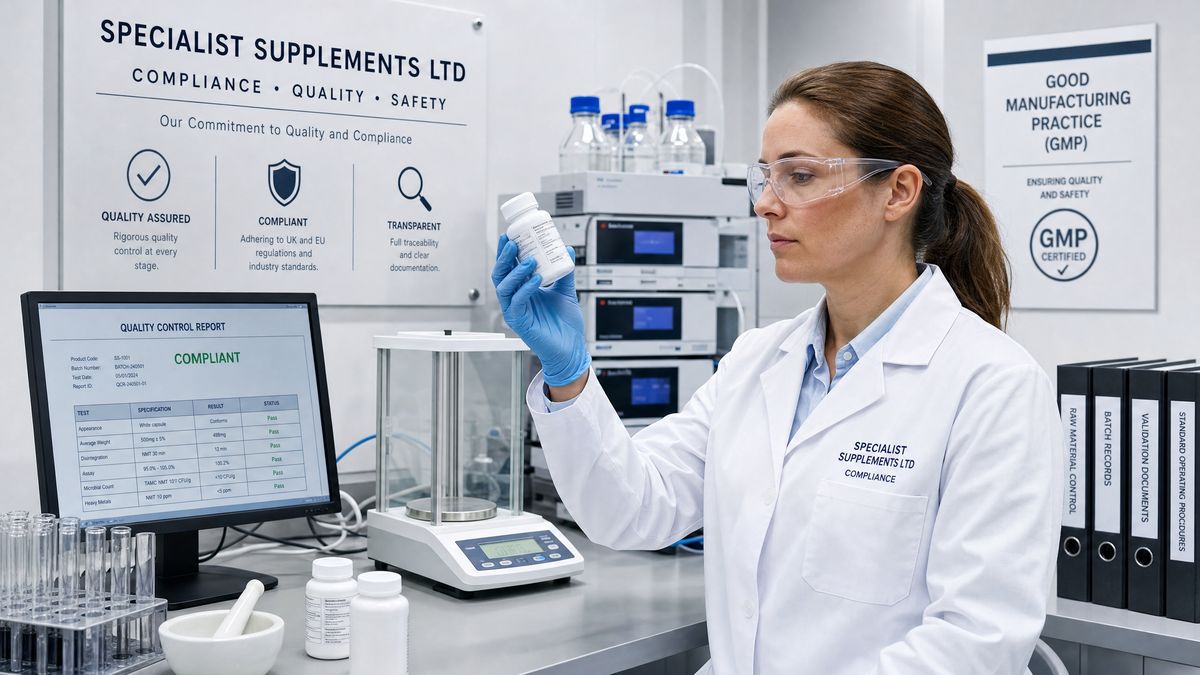
1. Product Formulation and Sourcing
- Efficacy and Safety: Formulate products based on scientific evidence, using high-quality, traceable ingredients. Consider the specific nutritional needs and preferences of the target demographic.
- Ingredient Compliance: Ensure all ingredients comply with UK food supplement legislation, particularly regarding permitted substances, maximum levels, and purity standards.
2. Regulatory Adherence: The Cornerstones of Trust
Compliance with UK regulations is non-negotiable and builds consumer trust. Key regulatory bodies and standards include:
- Food Standards Agency (FSA): The FSA is responsible for food safety and hygiene across the UK. For food supplements, the FSA provides guidance on what constitutes a food supplement, appropriate labeling, and notification procedures. Businesses must ensure their products are correctly classified as 'food supplements' and not 'medicinal products,' as the latter falls under different regulatory bodies (e.g., MHRA).
- Good Manufacturing Practice (GMP): GMP is a system for ensuring that products are consistently produced and controlled according to quality standards. For food supplements, GMP guidelines cover all aspects of production, from raw material sourcing and facility cleanliness to personnel training, documentation, quality control, and product testing. Adherence to GMP, often certified by third-party bodies like Intertek or Eurofins, is crucial for product safety, quality, and regulatory compliance. It minimizes risks such as contamination, adulteration, and mislabeling.
- ISO Certifications (e.g., ISO 22000): ISO 22000 specifies requirements for a food safety management system (FSMS) that combines generally recognized key elements to ensure food safety along the food chain. While not always mandatory for food supplements, achieving ISO 22000 certification demonstrates a brand's commitment to comprehensive food safety management, enhancing credibility and facilitating market access, especially for international expansion. It integrates principles of HACCP and can be audited by organizations like SGS.
3. Labeling and Claims
- Accurate Labeling: Labels must be clear, accurate, and compliant with FSA guidelines. This includes product name ('food supplement'), business name and address, ingredients list, allergens, daily dose, mandatory warnings, and active ingredient content. Health claims must be authorized and scientifically substantiated, avoiding any implication of medicinal properties.
- Marketing Compliance: All marketing materials and claims must be truthful, not misleading, and comply with advertising standards set by bodies like the Advertising Standards Authority (ASA).
Strategic Growth: Marketing, Sales, and Customer Engagement
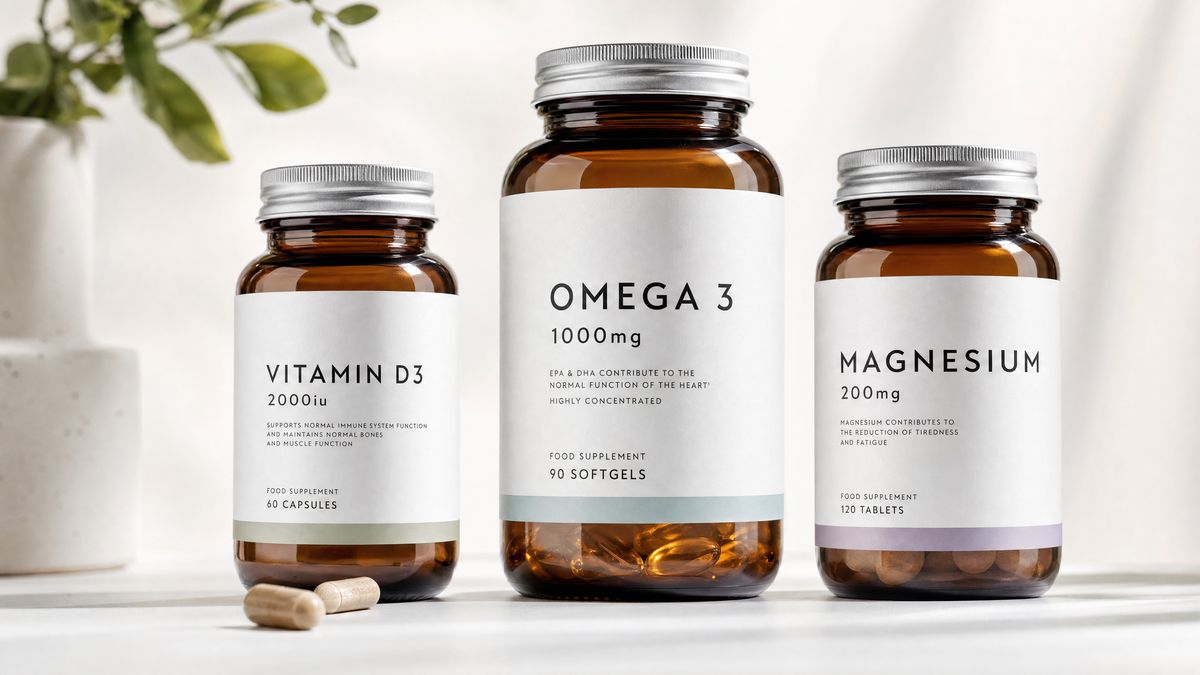
1. Brand Identity and Positioning
- Unique Selling Proposition (USP): Clearly define what makes your vitamin brand unique. This could be ingredient quality, specific formulations, ethical sourcing, or a particular health focus.
- Visual Branding: Develop a consistent visual identity. For instance, incorporating a primary color like Green #2E7D32 can evoke natural health and trustworthiness, aligning with the brand's values.
2. Digital Marketing and SEO
- Content Marketing: Create valuable, SEO-optimized content (like this article) that addresses consumer needs and establishes your brand as an authority. Focus on keywords relevant to vitamin brands, health, and UK regulations.
- Search Engine Optimization (SEO): Implement on-page and off-page SEO strategies to improve search engine rankings. This includes optimizing meta titles, descriptions, headings, and utilizing structured data (JSON-LD for Article or FAQ schema) to enhance visibility in search results and AI searches.
- Social Media Engagement: Build a community around your brand on relevant platforms, sharing educational content and engaging with customers.
3. Sales Channels and Distribution
- E-commerce Platform: A robust, user-friendly e-commerce website is essential. Ensure it is optimized for mobile and provides a seamless shopping experience.
- Wholesale and Trade Accounts: Expand reach through wholesale partnerships. For trade customers, it is common practice to hide prices to protect retail margins. Encourage potential trade partners to register for a trade account to access wholesale pricing and exclusive benefits. For example, register at https://www.dropshipwebhosting.co.uk/index.php?route=account/register.
- Retail Partnerships: Explore opportunities with health food stores, pharmacies, and other relevant retail outlets.
Scaling Operations: Supply Chain, Team, and Technology

1. Supply Chain Optimization
- Reliable Suppliers: Establish strong relationships with certified raw material suppliers and manufacturers who consistently meet quality and compliance standards.
- Inventory Management: Implement efficient inventory systems to prevent stockouts and minimize waste.
- Logistics and Fulfillment: Streamline warehousing, order processing, and shipping to ensure timely delivery to customers.
2. Building a High-Performing Team
- Expertise: Recruit individuals with expertise in nutrition, regulatory affairs, marketing, sales, and operations.
- Training and Development: Invest in continuous training to keep the team updated on industry trends, regulations, and best practices.
3. Leveraging Technology
- CRM Systems: Use Customer Relationship Management (CRM) software to manage customer interactions and personalize marketing efforts.
- ERP Systems: Implement Enterprise Resource Planning (ERP) systems to integrate various business functions, from inventory to finance.
Financial Management for Growth

1. Funding and Investment
- Bootstrapping: Initially, self-fund growth through reinvested profits.
- External Funding: As the brand scales, consider angel investors, venture capital, or bank loans to accelerate expansion.
2. Profitability and Pricing Strategies
- Cost Control: Continuously monitor and optimize operational costs without compromising quality.
- Pricing: Develop competitive pricing strategies that reflect product value, market positioning, and profitability goals. Remember to differentiate pricing for retail and trade customers.
Conclusion
Scaling a vitamin brand from 0 to six figures in the UK market is an ambitious yet achievable goal. It demands a holistic approach that integrates meticulous product development, stringent regulatory compliance, innovative marketing, efficient operations, and prudent financial management. By prioritizing quality, transparency, and customer trust, and by leveraging the expertise gained over trading since 1994, brands can not only achieve significant financial milestones but also establish a lasting legacy of health and wellness. The path to success is paved with continuous learning, adaptation, and an unwavering commitment to excellence. Start your journey today, ensuring every step is compliant, strategic, and customer-centric.
Call to Action
Unlock exclusive trade pricing and partnership opportunities! Due to our commitment to protecting our trade partners' retail margins, prices for our premium vitamin and food supplement range are hidden. To access our full product catalog and discover how we can support your business growth, please register for a trade account at Register for a Trade Account. Join our network of successful partners today!